
Picture this: you’re driving home and see a car flipped on its side, smoke curling from the hood. Someone’s trapped inside. Do you stop and help, or do you worry that trying — and getting it wrong — could get you sued?
That hesitation is exactly why the Good Samaritan law exists.
If you’ve ever asked yourself “what is the Good Samaritan law, really, and does it actually protect me?” — you’re not alone. It’s one of the most misunderstood pieces of legislation in everyday life, mostly because people assume it means more (or less) than it actually does. This guide breaks down what the law covers, where its limits are, and how it plays out in real situations, so you know exactly where you stand before you’re ever in one.
What Is the Good Samaritan Law?
The Good Samaritan law is a legal protection that shields people from liability when they voluntarily give reasonable assistance to someone who is injured, ill, or in danger — as long as they act in good faith and without gross negligence.
In plain terms: if you stop to help someone having a medical emergency, and you act reasonably given your training and the circumstances, the law generally protects you from being sued if something goes wrong during your attempt to help.
The core idea behind it is simple. Lawmakers wanted to remove the fear of legal consequences that might otherwise stop bystanders from helping in an emergency. Without this protection, many people would simply walk past someone in distress rather than risk a lawsuit — and that outcome helps no one.
These laws exist in some form across all 50 U.S. states, though the exact wording, who’s covered, and what situations qualify vary quite a bit from state to state. Similar protections exist in Canada, the UK (under a slightly different legal framework), and Australia.
Who Does the Good Samaritan Law Actually Protect?
This is where a lot of confusion comes in. The law isn’t a blanket shield for anyone who claims they were “trying to help.” It typically protects:
- Bystanders with no medical training who provide basic aid, like CPR, applying pressure to a wound, or calling for help
- Off-duty medical professionals (doctors, nurses, EMTs) who assist outside their normal work setting
- Trained first-aiders, such as lifeguards or teachers, acting outside their paid duty
- People assisting with overdose situations in many states, under specific “overdose Good Samaritan laws”
What it generally does not protect:
- Someone who is paid or professionally obligated to help (like an on-duty paramedic performing their job)
- Reckless or grossly negligent actions — for example, attempting a complicated medical procedure you have no basis to perform
- Situations where the “helper” caused the original injury
- Cases involving intoxication that impaired the helper’s judgment during the act
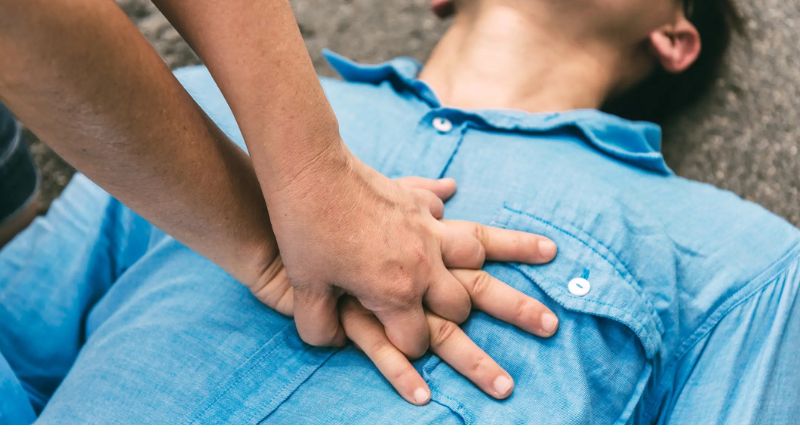
A real-world example: if you see someone collapse at a grocery store and you perform CPR based on training you got years ago, and the person ends up with a cracked rib (a common and expected side effect of CPR), you’re almost certainly protected. But if you decide to perform an improvised tracheotomy with a pen because you saw it on TV, that’s a very different legal conversation.
Does the Good Samaritan Law Require You to Help?
No — and this trips a lot of people up. In most U.S. states, the Good Samaritan law protects you if you choose to help, but it does not create a legal duty to act.
There are exceptions. A small number of states, including Vermont and Minnesota, have “duty to assist” laws that require bystanders to at least call for emergency help, even if they don’t intervene directly. But even in those states, the requirement is usually limited to summoning help — not physically intervening.
So the honest answer is: you’re free to walk away in most places, but the law is specifically designed to make sure the fear of a lawsuit isn’t the reason you do.
How the Good Samaritan Law Applies to Overdoses
One of the fastest-growing applications of this law is around drug overdoses. Given the scale of the opioid crisis, most U.S. states have passed specific overdose Good Samaritan laws that protect people who call 911 to report an overdose — even if drugs or paraphernalia are present at the scene.
The logic is straightforward: lawmakers found that people were avoiding calling for help during overdoses out of fear of being arrested for drug possession. These laws remove that fear for the caller and, in many states, for the person who overdosed as well, with limited immunity from certain drug-related charges.
This is worth knowing not just for personal safety but for anyone with a family member or friend navigating substance use — it can be the difference between someone calling for help and someone staying silent out of fear.
Common Situations Where the Good Samaritan Law Comes Into Play
- Car accidents: Helping a driver out of a wrecked vehicle or applying first aid until paramedics arrive
- Choking incidents: Performing the Heimlich maneuver on someone in a restaurant
- Cardiac events: Using a public AED (automated external defibrillator) on someone in cardiac arrest
- Workplace injuries: A coworker assisting an injured colleague before professional help arrives
- Public overdoses: Administering naloxone (Narcan) to someone showing signs of an opioid overdose
In each case, the protection generally holds as long as the helper acted reasonably, didn’t demand payment, and didn’t cause the emergency in the first place.
What to Do If You’re Ever in a Good Samaritan Situation
Knowing the law is one thing — knowing how to act in the moment is another. A few practical guidelines:
- Assess the scene for safety first. Don’t put yourself at unnecessary risk; you can’t help anyone if you become a second victim.
- Call emergency services immediately, even if you plan to assist directly.
- Only do what you’re reasonably capable of. Basic first aid, CPR, or simply staying with the person and keeping them calm all count as reasonable assistance.
- Avoid moving someone with a suspected spinal injury unless there’s an immediate danger like fire.
- Stay until help arrives, or until someone with more relevant training takes over.
If you’re a business owner, employer, or organization that regularly has staff or volunteers in situations where emergency response might be needed, it’s worth having your team review basic first-aid and CPR training — many local Red Cross chapters and community health organizations offer certification courses regularly.
FAQ: Good Samaritan Law Questions People Often Ask
Does the Good Samaritan law protect me if someone dies while I’m helping them? In most cases, yes, as long as your actions were reasonable, in good faith, and free of gross negligence. The law is designed to protect well-intentioned help, even when the outcome is tragic, because emergencies are inherently unpredictable.
Can I be sued for helping someone even with Good Samaritan protection? You can technically be sued for almost anything, but the Good Samaritan law gives you a strong legal defense that typically results in the case being dismissed, provided your actions met the standard of reasonable care.
Is CPR covered under the Good Samaritan law? Yes. CPR is one of the most common actions covered under Good Samaritan protections, even for untrained bystanders performing hands-only CPR, which is now widely recommended for people without formal training.
Do Good Samaritan laws vary by state? Yes, significantly. Some states extend protection only to trained responders, while others cover any bystander. It’s worth knowing your specific state’s version if you want full clarity on your protections.
Does the Good Samaritan law apply if I’m off duty as a medical professional? Generally yes, most states extend protection to off-duty doctors, nurses, and EMTs who assist in an emergency outside their workplace, though a few states have narrower rules for licensed professionals.
Key Takeaways
The Good Samaritan law exists so that fear of a lawsuit never becomes the reason someone hesitates to help in an emergency. It protects reasonable, good-faith assistance — not reckless action — and its exact scope depends on your state or country. Understanding where the protection starts and where it ends means you can act with confidence rather than hesitation the next time you’re the one who has to decide whether to step in.
If you want to be genuinely prepared rather than just informed, consider taking a certified first-aid or CPR course through a local provider — it’s the practical next step that turns this legal knowledge into real, usable skill when it matters most.