
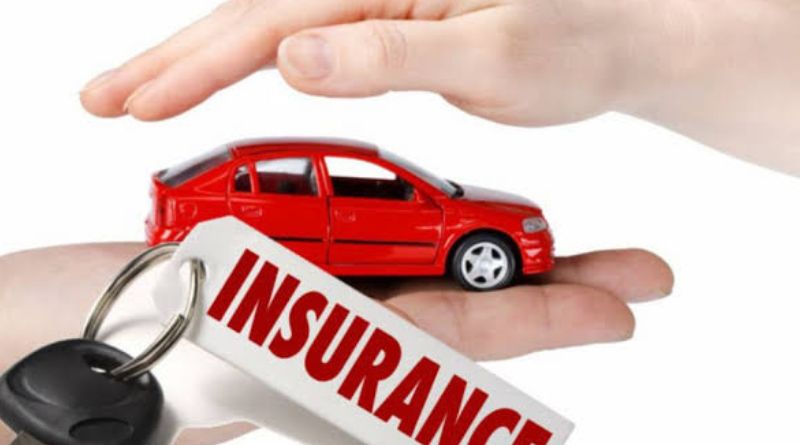
Vehicle insurance is one of those things almost everyone is legally required to carry but relatively few people fully understand. Most drivers know they need “coverage,” but far fewer could explain the difference between liability and collision, why their neighbor pays half what they do for a similar car, or what actually happens financially if they’re in a serious accident.
This guide breaks vehicle insurance down from the ground up — the core coverage types, how requirements differ depending on what you drive, what actually determines your cost, and how to think through what level of protection makes sense for your situation. Whether you’re insuring your first car, adding a motorcycle or truck to an existing policy, or just trying to understand what you’re already paying for, this covers the foundational knowledge that applies across nearly every type of vehicle insurance.
What Vehicle Insurance Actually Is
At its core, vehicle insurance is a contract: you pay a premium, and in exchange, the insurer agrees to cover specific financial losses related to your vehicle, up to the limits and terms defined in your policy. Those losses generally fall into a few categories — injuries or damage you cause to others, damage to your own vehicle, injuries to you or your passengers, and losses from events outside of a collision, like theft or weather damage.
Nearly every U.S. state requires drivers to carry some minimum level of vehicle insurance to legally operate a vehicle on public roads, though the specific minimum requirements, and how strictly they’re enforced, vary by state. Beyond the legal minimum, how much additional coverage you carry is a decision that should reflect your actual financial exposure, not just the cheapest option that satisfies the law.
The Core Types of Vehicle Insurance Coverage
Liability coverage pays for injuries or property damage you cause to someone else when you’re at fault in an accident. It’s typically split into bodily injury liability and property damage liability, and it’s the coverage almost every state legally requires. This protects your personal assets and future earnings from being at risk if you’re found responsible for a costly accident.
Collision coverage pays to repair or replace your own vehicle after a crash, regardless of who caused it. This is optional under state law in most cases, but often required by a lender or leasing company if you’re still financing the vehicle.
Comprehensive coverage covers non-collision damage to your vehicle — theft, vandalism, fire, falling objects, weather events, or hitting an animal. Like collision coverage, it’s usually optional unless required by a lender, but it fills a significant gap that liability alone doesn’t address.
Uninsured/underinsured motorist coverage protects you if you’re hit by a driver who has no insurance or not enough of it to cover your injuries or damage. Given how often at-fault drivers turn out to be uninsured or underinsured, this coverage is more important than many drivers realize, and it’s worth carrying even in states where it’s optional.
Medical payments coverage or personal injury protection (PIP) pays medical expenses for you and your passengers after an accident, regardless of fault. PIP is required in certain “no-fault” states and optional in others; medical payments coverage is generally optional everywhere it’s offered.
Gap insurance covers the difference between what you owe on a financed or leased vehicle and its actual cash value if it’s totaled, which matters because vehicles typically depreciate faster than most loan balances shrink in the first few years of ownership.
How Requirements Differ by Vehicle Type
While the core coverage categories are similar across vehicle types, the specifics shift depending on what you’re insuring.
Standard passenger vehicles are the most straightforward case, with well-established rating factors and the widest range of insurer options and competitive pricing.
Motorcycles are priced differently than cars, often more expensive for high-performance models, and typically involve motorcycle-specific add-ons like coverage for custom parts, riding gear, or a seasonal “laid-up” policy for months you’re not riding.
Trucks and larger personal vehicles may carry different liability considerations depending on use, especially if the vehicle is occasionally used for towing, hauling, or any business-related purpose, which can affect what your personal auto policy actually covers.
Leased or financed vehicles typically come with insurance requirements set by the lender, usually mandating full coverage (liability plus collision and comprehensive) at minimum limits higher than your state’s legal requirement, plus often requiring gap insurance.
Classic or collector vehicles often need a specialized policy entirely, since standard insurers may undervalue a vehicle’s actual worth or apply mileage restrictions that don’t fit typical use patterns for a collector car.
If you own more than one type of vehicle, it’s worth asking your insurer directly whether each one needs its own distinct policy or can be added to an existing one, since this varies by company and vehicle combination.
What Determines Your Premium
A handful of factors consistently drive vehicle insurance pricing, regardless of what you’re insuring.
Driving record is one of the most heavily weighted factors industry-wide. A clean record over several years typically earns meaningfully lower rates than a record with recent violations or at-fault accidents.
Vehicle type matters significantly — a vehicle’s repair cost, safety ratings, theft rate, and horsepower all factor into how insurers price it, which is why two vehicles of similar market value can have very different premiums.
Location affects pricing substantially, both by state and often down to the ZIP code level, reflecting differences in traffic density, accident rates, theft rates, and local claims history.
Age and experience play a large role, with newer drivers, particularly teenagers, typically paying significantly more than experienced drivers in their 40s, 50s, and 60s, who often see some of the lowest average rates.
Credit-based insurance score factors into pricing in most states, based on data showing a statistical correlation between certain credit behaviors and claims frequency, though a handful of states restrict or prohibit this practice.
Coverage selections — your chosen liability limits, deductible amounts, and any optional add-ons — directly affect your premium, and this is the category you have the most direct, immediate control over.
How Much Vehicle Insurance Actually Costs
Costs vary considerably depending on the vehicle, driver profile, and location, but recent national data for standard passenger vehicle full coverage generally falls somewhere between roughly $1,700 and $2,700 annually, or about $140 to $220 a month, with minimum liability-only coverage typically running lower, often in the $800 to $1,600 annual range. These figures shift substantially by state — some of the least expensive states average less than half the national rate, while the most expensive states can run two to three times higher for comparable coverage.
Given this range, the most useful approach isn’t anchoring to a national average, since your actual rate depends far more on your specific profile — vehicle, location, driving history, and coverage choices — than on any nationwide figure. Getting a few real quotes based on your actual situation is the only reliable way to know what you’ll actually pay.
How Much Coverage Do You Actually Need?
This is where a lot of drivers either underinsure themselves or overpay for coverage that doesn’t match their actual risk. A few principles help guide this decision.
Liability limits should reflect your actual assets, not just the state minimum. State minimum liability limits are often set low enough that a single serious accident could exceed them easily, leaving you personally responsible for the remainder. If you have meaningful savings, home equity, or income to protect, carrying liability limits well above the state minimum is one of the more important financial protection decisions in the entire policy.
Collision and comprehensive coverage generally make sense while a vehicle still has significant value. As a vehicle ages and depreciates, there’s a point where the annual premium for collision and comprehensive coverage approaches or exceeds a reasonable percentage of the car’s actual value, at which point dropping that coverage (for a vehicle you own outright) may make financial sense.
Uninsured motorist coverage is worth carrying even where it’s optional. Given how often accidents involve an at-fault driver with insufficient insurance, this coverage closes a real, common gap that liability coverage alone doesn’t address.
Your deductible should reflect what you could actually afford to pay out of pocket. A higher deductible lowers your premium, but only makes sense if you have the savings to comfortably cover it if you need to file a claim.
Common Mistakes to Avoid
Choosing coverage based purely on the cheapest premium. The lowest-priced policy that leaves you underinsured after a serious accident isn’t actually a good deal — it’s a cost deferred to the worst possible moment.
Letting coverage lapse between policies. A gap in coverage, even briefly, is often flagged by insurers as a risk signal and can raise your rate when you reinsure, beyond the obvious risk of driving uninsured during the gap itself.
Not updating your policy after major life changes. Moving, paying off a loan, adding a new driver to your household, or a significant change in how much you drive all affect what coverage you actually need, and policies that go unreviewed for years often no longer match the driver’s actual situation.
Assuming your policy automatically covers every vehicle you own. If you’ve added a motorcycle, a second car, or a trailer, confirm directly with your insurer whether it’s covered under your existing policy or needs separate coverage.
Frequently Asked Questions
Is vehicle insurance legally required? Yes, in nearly every U.S. state, some form of liability insurance is legally required to operate a vehicle on public roads, though specific minimum requirements vary significantly by state.
What’s the difference between liability and full coverage? Liability coverage only pays for damage or injuries you cause to others. Full coverage adds collision and comprehensive coverage, which also protects your own vehicle from accident damage, theft, and other covered events.
How often should I compare vehicle insurance quotes? Comparing quotes from a few different insurers roughly once a year, especially around your renewal date, is a reasonable habit, since insurers often gradually raise rates over time for existing customers who don’t shop around.
Does the type of vehicle I drive significantly affect my insurance cost? Yes. A vehicle’s repair costs, safety ratings, theft rate, and horsepower all factor into pricing, which is why two vehicles of similar market value can carry noticeably different premiums.
Key Takeaways
Vehicle insurance is built around a consistent set of core coverage types — liability, collision, comprehensive, uninsured motorist, and medical coverage — but how much of each you actually need depends on your specific vehicle, financial situation, and risk tolerance, not just the state’s legal minimum. The most common costly mistake isn’t overpaying for coverage; it’s underinsuring liability limits to save a relatively small amount on premiums, then facing a much larger financial exposure if a serious accident happens.
If you haven’t reviewed your current policy in the past year, or if your vehicle, driving habits, or financial situation have changed, that’s a reasonable prompt to request updated quotes and confirm your coverage still matches your actual needs rather than an outdated snapshot of your life from years ago.